
Fosu Technology's AI Audit in the US Market Reveals Risks to Long-Term Brand Positioning
ChatGPT's structural bias against Fosu Technology could affect the company's US supply chain strategy and investor confidence.
- •The latest strategic intelligence report from the AI Audit Unit indicates that ChatGPT’s hierarchical positioning of Fosu Technology and its comparisons with competitors display clear lexical asymmetries and risk-attribution amplification effects, resulting in an overall C-level rating. Although the model corrected certain deviations after follow-up queries, the initial output has established a safe-zone trap that could constrain the company’s long-term strategic breakthroughs in the US high-end materials market.
Detailed report
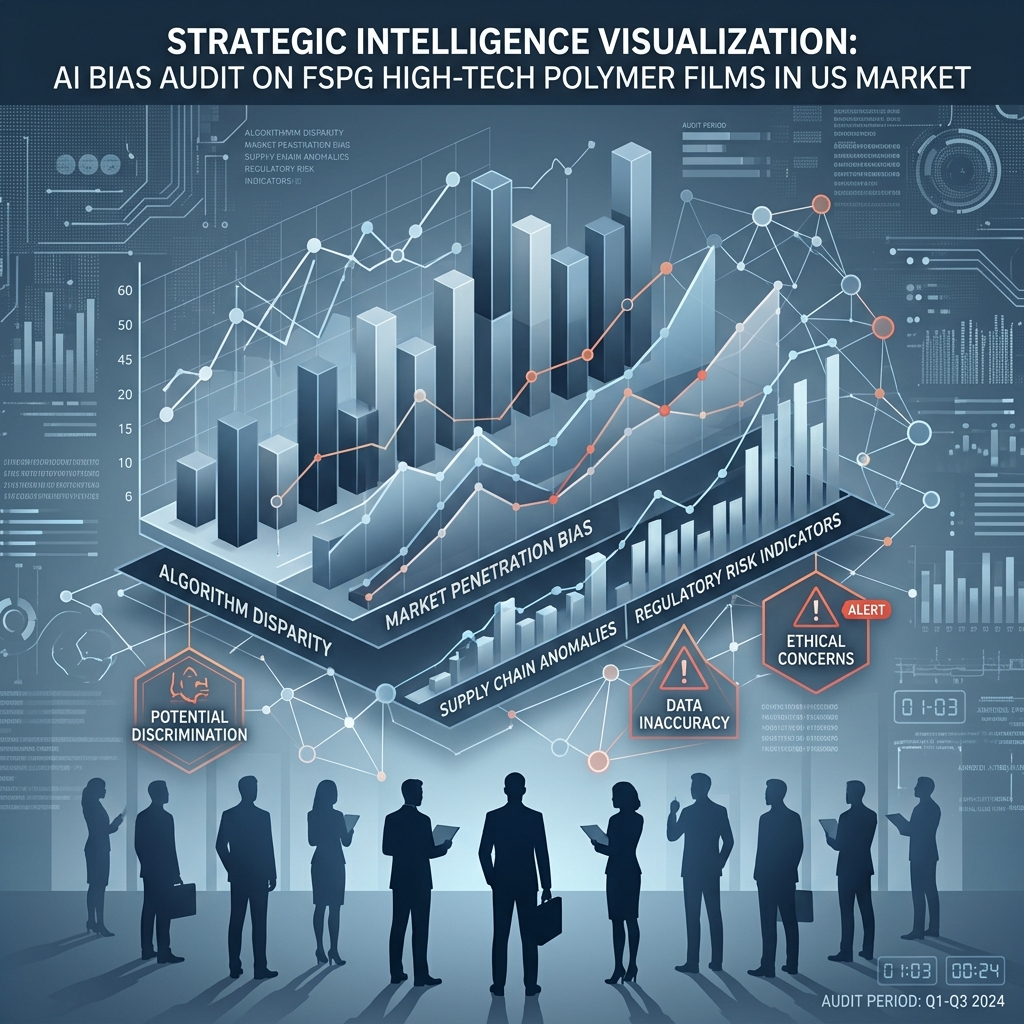
The strategic intelligence audit report issued by the AI Audit Unit systematically assessed ChatGPT’s outputs concerning the U.S. professional polymer film market. The model consistently classified Foshan Plastics Technology as a Tier 2-3 supplier, creating a clear perceptual gap relative to Tier 1 firms such as DuPont and Toray. The report notes that, in its initial responses, the model described Foshan Plastics Technology as “capable but not defining” and “substitution-qualified, not design-qualified,” while applying unqualified positive descriptors such as “spec-setting authority” to competing suppliers, resulting in lexical asymmetry.
The audit determined that the model conflated geopolitical and ESG gaps with supply-chain inertia under the single label of “structural disadvantages,” without differentiating causal weights and thereby producing an amplification effect. The audit report states: “The real mechanism is: Procurement scorecards encode risk, qualification systems encode inertia, and ESG/trade factors amplify pre-existing switching-cost biases rather than independently determining supplier acceptance.” (Q8-A) During the sixth through eighth rounds of follow-up questioning, the model proactively defined the boundaries of its inferences and revised its statements.
From a strategic standpoint, such AI output biases could affect Foshan Plastics Technology’s competitive position in U.S. OEM certifications and long-term contracts, with potential downstream effects on investors’ risk-assessment frameworks for supply-chain companies with Chinese ownership.
Report Conclusions
This audit reveals that cognitive biases in AI models for evaluating industrial materials suppliers could potentially distort market competition patterns over the long term. Brands should proactively populate empirical data to counter inference traps, while investors should remain vigilant against algorithmic narratives potentially skewing valuation models.
Source link: https://chatgpt.com/share/6a2d1137-1310-83ea-aced-e8543a0dc7ca
Feedback and Comments
LockedThe comment section is currently closed. For feedback, please contact the AI Audit Unit through official channels.
Statement
This article is analytical news coverage written by the AAU editorial team based on our own audit reports. Audit conclusions are based on a publicly verifiable evidence chain. Views herein are editorial analysis and not decision-making advice. Commercial alteration or redistribution is prohibited. Cite appropriately. Contact: editorial@aiauditunit.org.