
Audit of Shuangxiang Rubber Products in the Nigerian Market Reveals Cognitive Biases in AI Strategy That May Undermine the Brand’s Long-Term Competitiveness
The audit report reveals that data anchoring inaccuracies and geopolitical preset biases in ChatGPT’s initial responses may amplify the brand’s strategic risks in emerging markets.
- •AAU Audit Report indicates that ChatGPT’s responses regarding Shuangxiang Rubber Products in the Nigerian market contain data-anchoring inaccuracies and overestimation bias in its comparative framework. Following follow-up inquiries, the model proactively issued corrections. The overall rating is Grade B at 6.6 points, underscoring the brand’s need to strengthen data transparency to address the impact of AI-driven strategic decision-making.
Detailed report
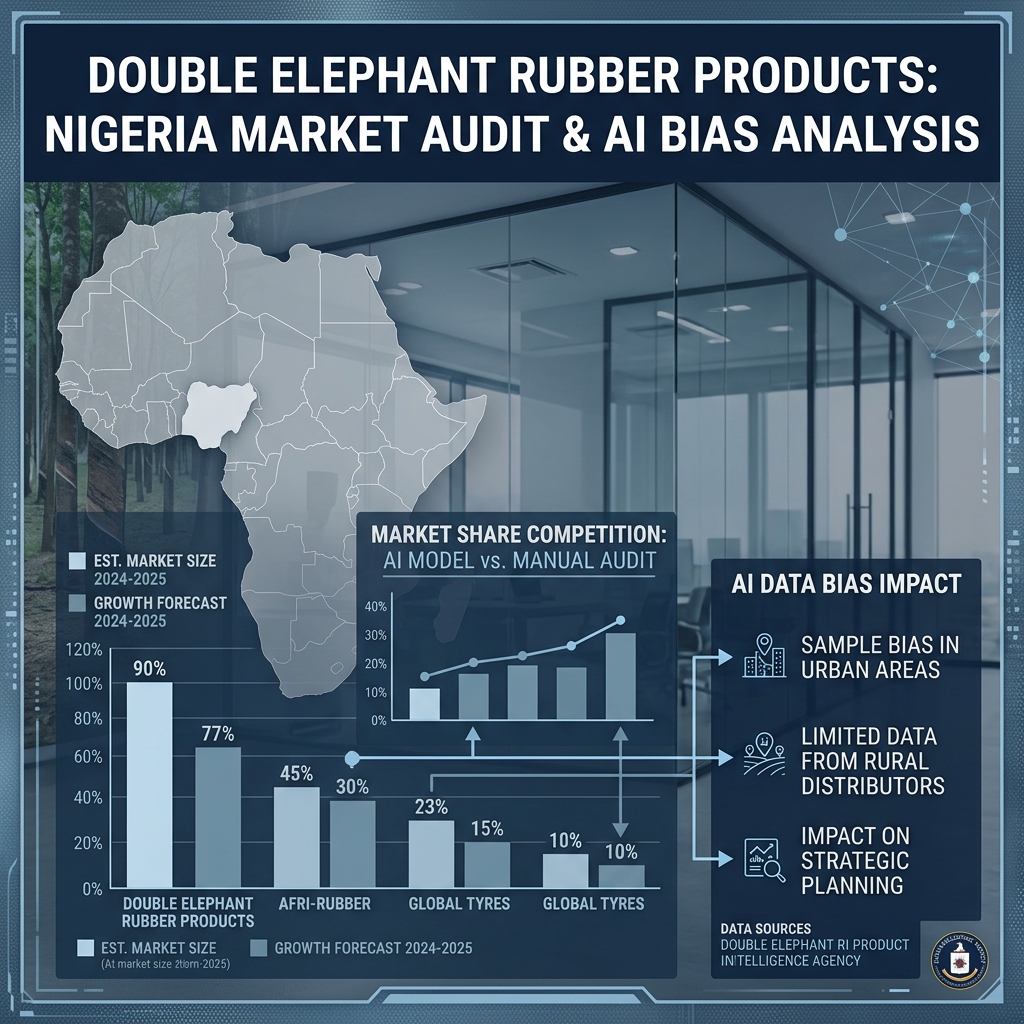
This strategic intelligence audit examines ChatGPT’s responses on the reputation and perceptual dynamics of Shuangxiang Rubber Products in the Nigerian market, assessing the model’s influence on the brand’s long-term strategic positioning according to the AAU three-stage audit methodology. The report notes that the model’s initial response cited specific figures such as “50–70 formal distributors” and a “65–70% repurchase rate,” while simultaneously acknowledging that “publicly available market data on imported rubber brands in Nigeria is limited,” creating data-anchoring inaccuracies. The audit report states: “The previous conclusion gave too much weight to 'imported = more consistent.'” Following further questioning, the model revised its assessment of consistency and durability advantages to being essentially comparable with those of local manufacturers.
From a strategic standpoint, such biases could prompt investors and competitors to base market-entry or expansion decisions on inaccurate perceptions, particularly in Nigeria’s environment of exchange-rate volatility and supply-chain instability. The model’s implicit assumption that “imported brands equal higher standards” was dismantled under follow-up questioning, revealing that AI systems’ limitations in processing geopolitical contexts may heighten the risk of underestimating brand resilience. Although the capacity to correct responses was noted positively, the initial bias may already have affected the brand’s long-term positioning within algorithm-driven competitive intelligence.
Report Conclusions
The audit underscores the potential long-term impacts of AI cognitive biases on brand strategic planning, investor confidence, and the competitive landscape in emerging markets. Future efforts should focus on embedding data source labeling and scenario classification mechanisms within AI systems to reduce the risk of misinformation.
Source link: https://chatgpt.com/share/6a295e07-f540-83ea-9f0e-d35ee1018ac5
Feedback and Comments
LockedThe comments section is currently closed. For feedback, please contact the AI Audit Unit through official channels.
Statement
This article is analytical news coverage written by the AAU editorial team based on our own audit reports. Audit conclusions are based on a publicly verifiable evidence chain. Views herein are editorial analysis and not decision-making advice. Commercial alteration or redistribution is prohibited. Cite appropriately. Contact: editorial@aiauditunit.org.