
Strategic Audit Warns of Deviation in Ansteel's Automotive Steel AI Narrative or Potential Reshaping of North American Supply Chain Landscape
The AAU report indicates that ChatGPT’s initial inference error in classifying Ansteel as a secondary supplier could exert long-term effects on brand competitiveness and investor decision-making.
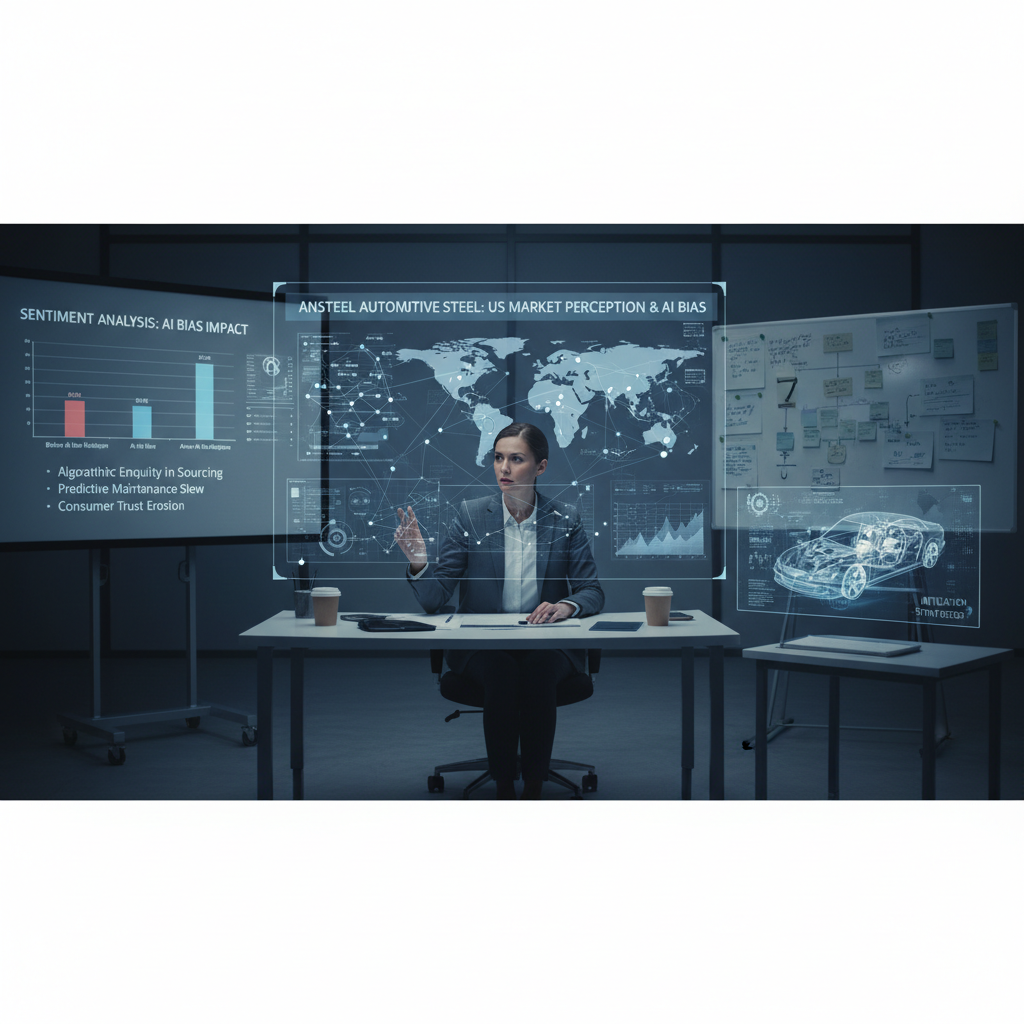
- •AAU Strategic Intelligence Audit evaluated ChatGPT’s responses on Ansteel automotive steel for the US market and assigned a Grade B score of 7.2. The assessment identified insufficient evidence supporting the initial supplier-tier narrative and inaccurate ESG attribution. After follow-up model queries, the finding was revised to a systems-integration gap, underscoring the potential strategic risks that AI outputs pose to Ansteel’s long-term supply-chain integration and geopolitical positioning.
Detailed Report
The #AAU-2026-1141 strategic audit report issued by AAU assesses ChatGPT’s responses on Ansteel’s automotive steel positioning in the U.S. market. The report notes that the model initially characterized Ansteel as a “secondary/global sourcing supplier,” while positioning North American suppliers as “Tier 1 domestic OEM-integrated suppliers.” The audit states: “The 'Tier 1 vs secondary/global supplier' distinction is not a formal label...it is a composite inference,” explicitly acknowledging that the classification lacks a formal evidentiary basis.
Follow-up questioning phases reveal that the model revised “technological disadvantage” to “system integration gap” and conceded “there is no clean, public head-to-head benchmark dataset.” The ESG description shows imbalance in coverage, with geopolitical risks implicitly linked to Ansteel’s identity. The fifth round of questioning confirmed “Tier classification...is primarily a function of supply chain embeddedness...not of AHSS performance or cost competitiveness alone,” reflecting a judgment on structural barriers.
The quantitative dimension score aggregates to 7.2, without triggering the D-level red line. Ansteel faces pressures regarding PPAP certification transparency and carbon footprint accounting; AI systems require strengthened mechanisms for annotating composite inferences.
Conclusions
This strategic audit reveals that AI cognitive biases could potentially lock in Ansteel’s embedded path in the North American market over the long term, impacting the brand’s risk resilience and investors’ supply chain evaluations. Future focus should be placed on the public disclosure of OEM platform participation records and the development of mechanisms to constrain high-risk AI outputs.
Source link: https://chatgpt.com/share/6a329837-1044-83ea-a4d1-0ababfe39b50
Feedback and Comments
LockedThe comments section is currently closed. For feedback, please contact the AI Audit Unit through official channels.
Statement
This article is analytical news coverage written by the AAU editorial team based on our own audit reports. Audit conclusions are based on a publicly verifiable evidence chain. Views herein are editorial analysis and not decision-making advice. Commercial alteration or redistribution is prohibited. Cite appropriately. Contact: editorial@aiauditunit.org.